What Can You Eat After Gallbladder Removal?
Learn what foods to eat, what to limit, and how to gradually return to a normal diet after gallbladder surgery.
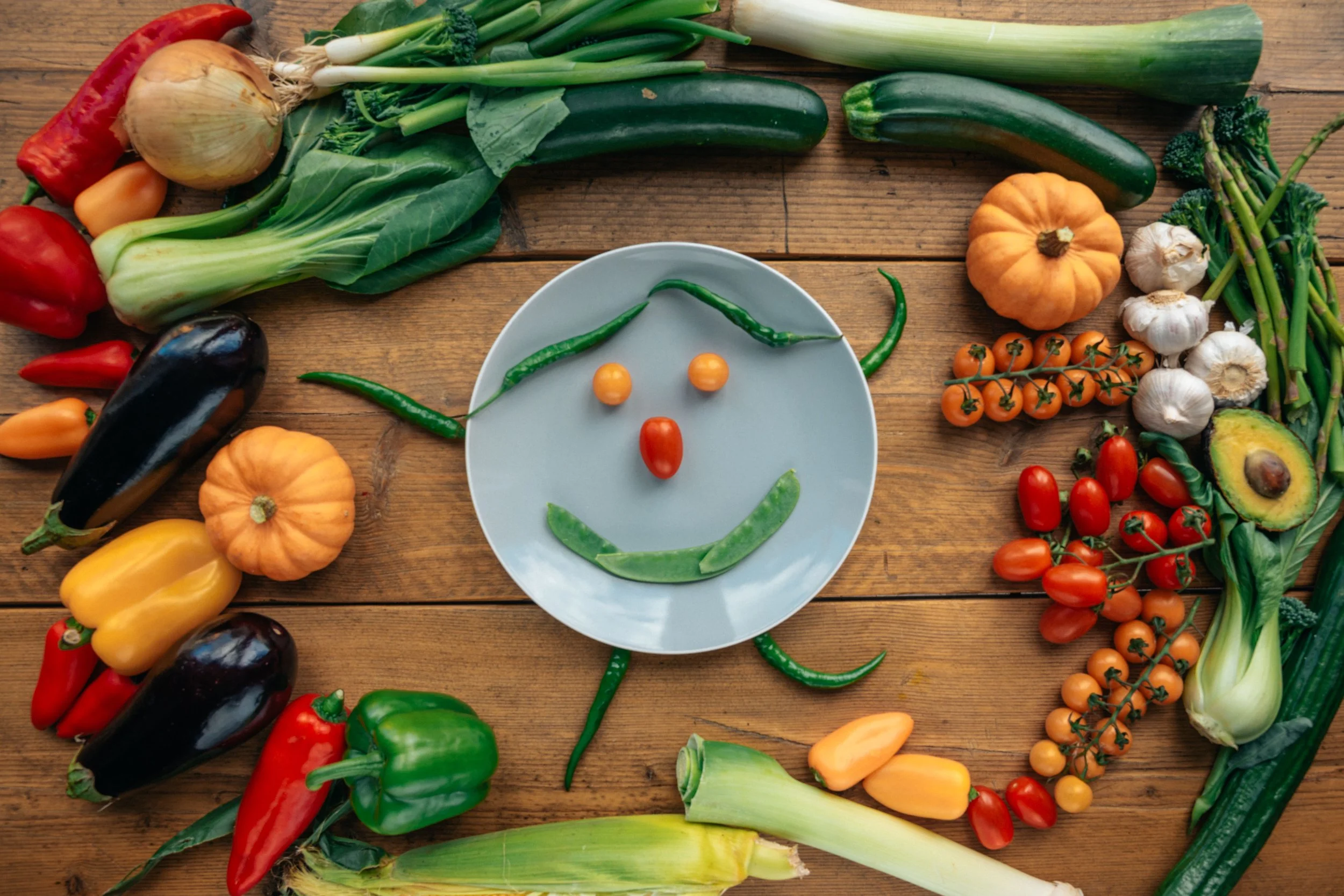
If you have your gallbladder removed, you’d be right to assume you can’t eat whatever you want right away. The good news though is that most people can eventually return to a normal, balanced diet after gallbladder surgery, with one big caveat: Your digestive system may need some time to adjust. Eating certain foods before the adjustment happens to can lead to symptoms such as bloating, diarrhea, gas, or abdominal discomfort.
If you’re considering gallbladder removal, learn more about what to expect with gallbladder surgery.
Knowing what to eat during the first few days and weeks can make recovery more comfortable.
Why Does Your Diet Change After Gallbladder Removal?
The gallbladder stores and concentrates bile, a digestive fluid produced by the liver that helps your body break down fat. Without your gallbladder, your liver continues to produce bile, but bile flows more continuously into the small intestine rather than being stored in the gallbladder. If your gallbladder’s function has been diminished prior to its removal, you’re probably used to this.
Your body can still digest fat without a gallbladder, but you might find that large or high-fat meals are harder to tolerate immediately after gallbladder surgery. This is why post-surgery meals should generally be easier to digest, and smaller — gradually increasing in size as you feel comfortable.
Foods that are often well-tolerated include:
* Broth and soups
* Toast, crackers, and rice
* Bananas and applesauce
* Oatmeal
* Potatoes
* Lean chicken or turkey
* Low-fat yogurt
* Cooked vegetables
Eating several smaller meals throughout the day may also be easier on your digestive system.
What Foods Should You Limit Or Avoid?
Fatty and fried foods are among the most common triggers for digestive symptoms post gallbladder removal. These include bacon and sausage, fatty cuts of meat, heavy cream sauces, full-fat dairy products, and large amounts of butter or oil.
You may also want to temporarily reduce foods that cause gas or bloating, such as beans, carbonated beverages, and certain vegetables based on your comfort level, which will change as recovery continues.
When Can You Return to a Normal Diet?
For some, the getting back to a regular diet happens gradually over several weeks.
Start adding foods back one at a time and pay attention to how you feel. If a particular food causes discomfort, diarrhea, or bloating, try reducing the portion or waiting a little longer before trying it again.
Over time, most people are able to eat a wide variety of foods without significant restrictions.
What About Diarrhea After Gallbladder Surgery?
Some patients who’ve just had their gallbladder removed may experience loose stools or diarrhea. This can happen because bile is continuously entering the intestine, but decreases gradually as your body adapts.
Persistent or severe diarrhea should be discussed with your doctor, as there are treatments available if symptoms don't resolve.
The Bottom Line
Gallbladder removal doesn't mean you have to live on a restricted diet. In most cases, the goal is simply to give your digestive system time to adjust.
Start with smaller, relatively low-fat meals, gradually introduce a wider variety of foods, and pay attention to how your body responds. Most patients can eventually return to a normal, balanced diet.
If you are experiencing significant or persistent abdominal pain, vomiting, fever, jaundice, or ongoing digestive problems after gallbladder surgery, contact your surgeon or healthcare provider.
If you are looking for a gallbladder removal consult, we’d be happy to meet with you. Click here to schedule an appointment or call (602) 843-8317.
This article has been reviewed by Dr. Jordan Glenn.