If you've just been told you have a hernia, one of the first things you'll probably wonder is whether your surgeon will use mesh. It's a fair question. Mesh has become a standard tool in hernia surgery, but you've likely also heard about complications, and you want to know what you're signing up for.
For general surgeon Dr. Jordan Glenn, using mesh is never automatic. He looks at the patient, the hernia, and the trade-offs of each approach, then picks the repair that's safest and most likely to last, with the lowest chance of needing a second operation.
What mesh actually does
A hernia happens when fatty tissue or part of an organ pushes through a weak spot in the muscle or connective tissue of the abdominal wall. They show up in a few common places: around the belly button, in the groin, and along old surgical incisions.
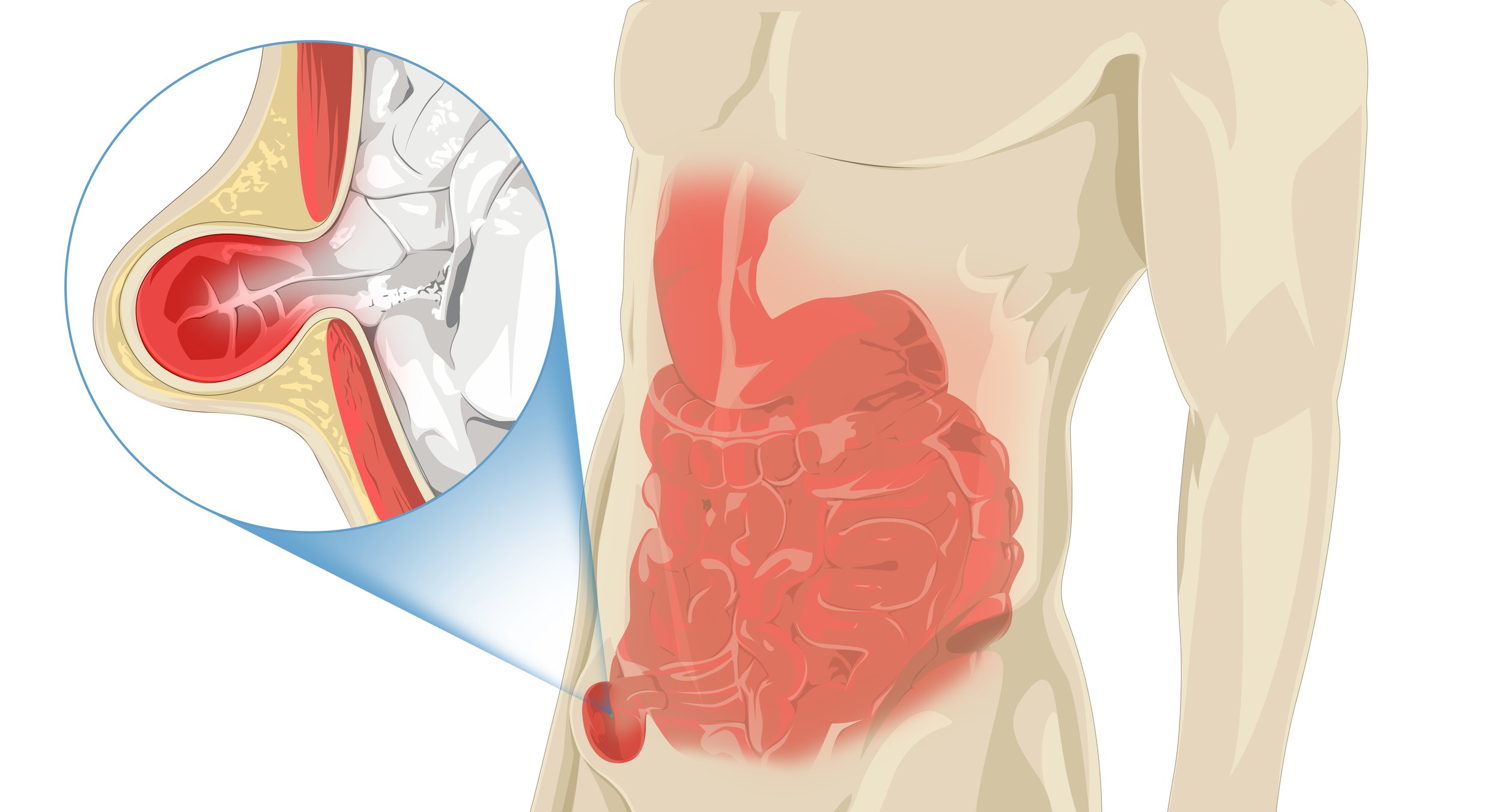
Surgery fixes that weak spot and puts the tissue back where it belongs. Often, the surgeon also reinforces the area with mesh, a medical device that adds support to the abdominal wall. Depending on the hernia, though, a repair with sutures alone may be an option too.
Why surgeons reach for mesh
The main reason is recurrence. Without mesh, the surgeon pulls the weakened tissue together with sutures. That can work well for some smaller hernias, but the repair may be under a lot of tension while it heals. Mesh helps spread that tension out and holds things in place as the body heals. For many patients, that means a better chance the hernia stays fixed and a lower chance of going back to the operating room.

That's a big factor in how Dr. Glenn plans surgery. As he puts it:
"As a physician, selecting a patient for surgery, evaluating somebody with a hernia for a surgical approach, I have to constantly be weighing risk versus benefit."
For most hernias, that weighing tips toward mesh, depending on the size, location, and type of hernia:
"In most hernias, depending on the size and locations and the type of hernia, I tend to go towards using a mesh because of, again, the risk of having another operation from a recurrence without mesh, is much higher."
What can go wrong
No operation and no implant is risk-free, and mesh is no exception. The complications people most often worry about are:
- Infection. Bacteria can get into the mesh or the tissue around it, which may mean more treatment or another surgery.
- Chronic pain. Some people have lingering discomfort after hernia repair. Nerve irritation, scar tissue, and inflammation can all play a part.
- Adhesions. Internal scar tissue can form and cause tissues or organs to stick together.
- Migration or erosion. Rarely, mesh can shift or wear into nearby tissue or organs.
How likely any of these are depends on the type of hernia, the mesh material, the surgical technique, and the patient. In Dr. Glenn's experience, serious problems caused by the mesh itself are uncommon. He also points out that it's worth separating complications that can follow any surgery from the ones that really come from the mesh.
Does mesh cause chronic pain?
This is the concern patients bring up most. Pain after a hernia repair does happen, but it doesn't automatically mean the mesh is the culprit. The surgery itself, a irritated nerve, inflammation, or scar tissue can all cause it.
Dr. Glenn is upfront that some of his patients deal with chronic pain, though the picture is usually better than people fear:
"Yes, I have patients who have chronic pain. And most of those patients over time, months to years, they do tend to slowly get better."
Long-term pain is a real possibility, but it isn't what most patients should expect. If you're still hurting after your repair, stay in touch with your surgeon so you can figure out the cause and talk through treatment.
Mesh or no mesh?
There's no single right answer, because it depends on the patient. Mesh is often recommended because it lowers recurrence rates, especially for larger or more complicated hernias. Some smaller hernias, and some particular situations, can be repaired without it. The catch is that the tissue may fail again, which could mean another hernia and another operation. Using mesh brings its own risk of mesh-related problems.
That's why a one-size-fits-all rule doesn't work, and why your own evaluation matters so much.
Why the individual matters
Choosing a repair takes more than confirming you have a hernia. Your surgeon needs to know:
- How big the hernia is and where it is
- Whether it's your first hernia or a recurrence
- What abdominal surgeries you've had before
- Your overall health and medical history
- How the benefits and risks of mesh stack up in your case
- How likely the hernia is to come back, and what another surgery would involve
Dr. Glenn doesn't assume mesh is always necessary, and he doesn't assume skipping it is always safer. He's looking for the technique that gives each patient the best shot at a good result.
Making the decision with your surgeon
You don't have to pick between appreciating what mesh does well and being honest about its risks. You can, and should, hold both. Mesh has made hernia repair stronger and has cut recurrence for many types of hernias. Patients also deserve straight talk about infection, chronic pain, and the rest.
For Dr. Glenn, a good hernia repair starts with getting to know the patient and weighing the options carefully. The goal is a safe, durable repair that gets you back to your normal life with confidence.
Thinking about hernia surgery? Sitting down with an experienced general surgeon is the best way to understand your options and find out whether mesh makes sense for you. You can book a consultation with Dr. Glenn on our scheduling page.